4200W Ultrasonic Welding Machine About
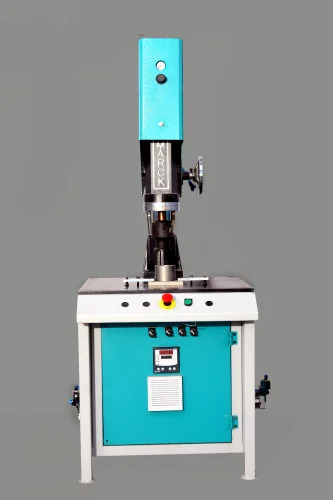
An ultrasonic welding machine is a high-frequency welding system that joins materialstypically plastics and some metalsby using ultrasonic vibrations combined with pressure. It creates strong, clean bonds without adhesives, screws, or excessive heat.
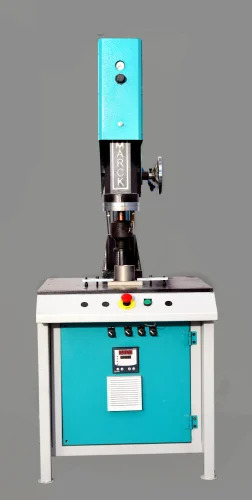
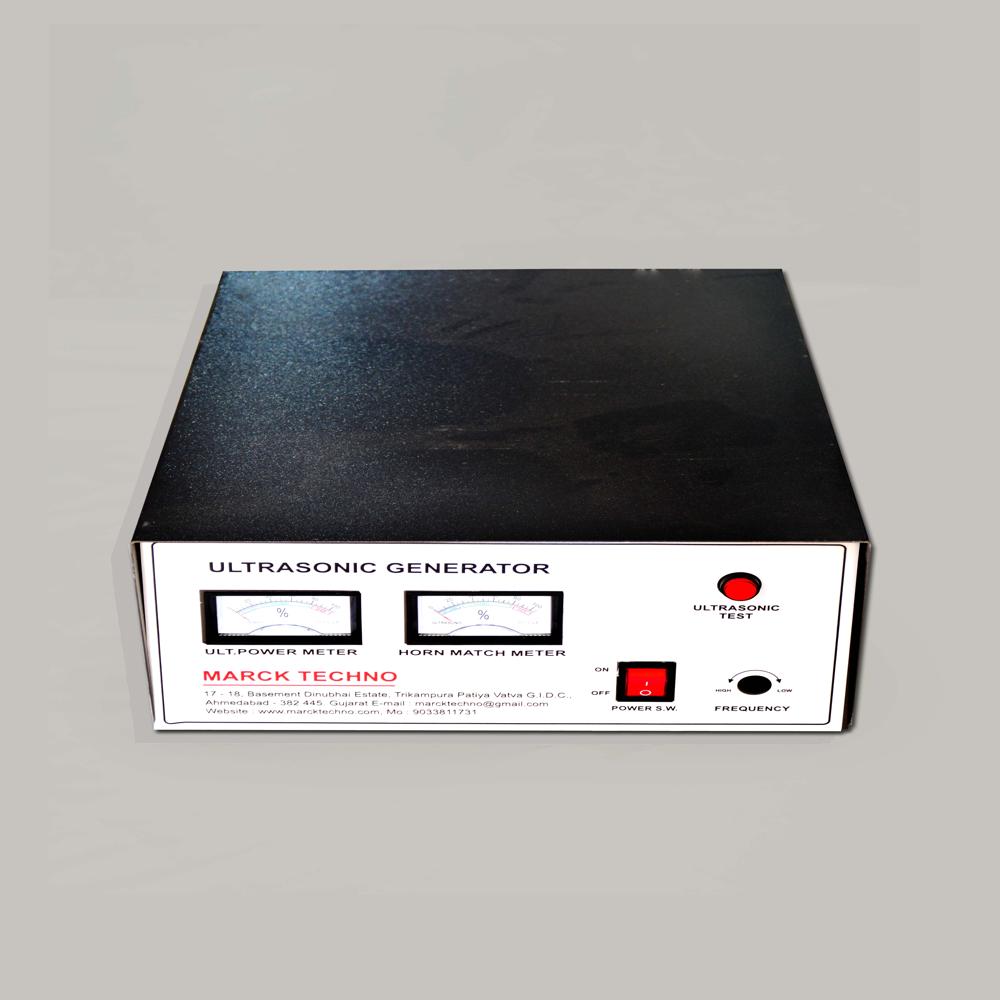
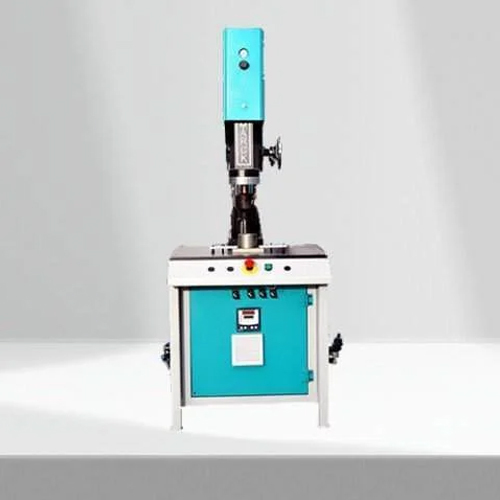
Enhanced Efficiency for Industrial WeldingWith its advanced ultrasonic technology, the 4200W Ultrasonic Welding Machine delivers fast and reliable welding for a range of industrial materials. Its 2600-watt power and 15 kHz frequency enable superior bonding and efficient operation, reducing production time and labor costs. The durable mild steel construction guarantees longevity and dependable use even in demanding factory conditions.
User-Friendly and Safe OperationDesigned for ease of use, this welding machine requires minimal training for operators. Its clear control panel and consistent performance allow for straightforward integration into existing workflows. Safety features are incorporated to protect users during operation, ensuring a secure environment while maintaining industrial productivity.
FAQ's of 4200W Ultrasonic Welding Machine:
Q: How does the 4200W Ultrasonic Welding Machine operate?
A: The ultrasonic welding machine uses high-frequency vibrations, typically at 15 kHz, to generate heat through friction, fusing materials at a molecular level without the need for additional adhesives or fasteners.
Q: What types of materials can be welded with this machine?
A: This machine is designed primarily for welding mild steel components, but its advanced ultrasonic technology can also be adapted for other compatible materials in industrial settings.
Q: When is ultrasonic welding preferable over traditional welding methods?
A: Ultrasonic welding is ideal when precision, speed, and clean joints are required. It is especially beneficial for applications where thermal effects need to be minimized or where traditional welding could damage the materials.
Q: Where can the 4200W Ultrasonic Welding Machine be installed?
A: This equipment is suitable for industrial environments such as manufacturing facilities, assembly lines, and workshops, and it can be easily integrated into production systems due to its standard voltage requirements.
Q: What are the key steps in the ultrasonic welding process?
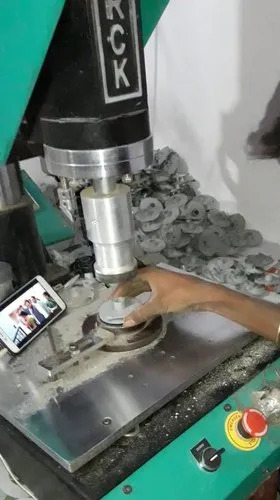
A: The typical process involves positioning the materials to be joined, applying ultrasonic vibrations via the machine's horn, and then holding the materials under pressure until a solid weld is formed.
Q: How can users benefit from utilizing this welding machine?
A: Users experience faster production cycles, consistent and high-quality welds, reduced waste, and lower operational costs. The non-invasive process also ensures a cleaner work environment.

 Send Inquiry



 Send Inquiry

 Send Inquiry


 English
 Spanish
 French
 German
 Italian
 Chinese (Simplified)
 Japanese
 Korean
 Arabic
 Portuguese